


RightMeds
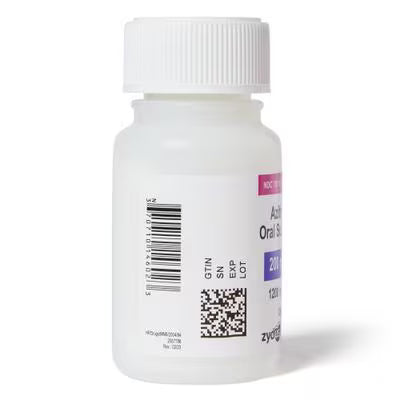
Azithromycin (Generic) Flavored Powder for Oral Suspension, 200 mg/5 mL, 30-mL bottle
Azithromycin (Generic) Flavored Powder for Oral Suspension, 200 mg/5 mL, 30-mL bottle
Couldn't load pickup availability
Prescription macrolide antibiotic for bacterial infections.
- Macrolide Antibiotic
- Treats Bacterial Infections Only
- Used for Respiratory, Skin & Some STI Infections
- Prescription Required (Rx Only)
- Use Only as Directed by a Doctor
Share


Collapsible content
About Azithromycin
Prescription Antibiotic for Bacterial Infections
Azithromycin is a macrolide antibiotic that has been in clinical use for decades. This flavored powder for oral suspension is commonly prescribed for children with bacterial infections such as ear infections, strep throat, sinus infections, pneumonia and some skin infections. It treats bacterial infections only and has no effect on colds, flu or COVID-19.
Easy-to-Give Liquid Format
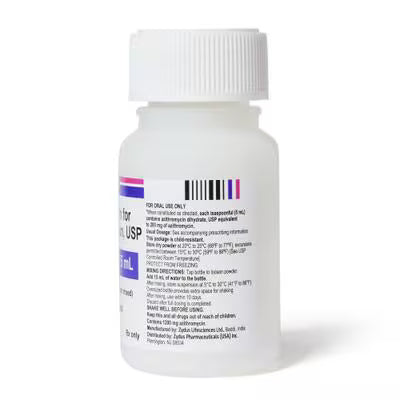
Each 30-mL bottle holds powder for an oral suspension with a concentration of 200 mg per 5 mL (1,200 mg in total). The flavored liquid is easier for children to take than tablets. Mix it with water as directed on the label, shake it well before each dose, and measure doses with a dosing syringe or spoon.
Dosed by Your Prescriber
Dose and duration are set by a doctor according to the child’s weight and the infection being treated, and it is important to finish the full course as prescribed. Store the bottle as the label directs and discard any unused liquid after the date on the label. Rx only.
Benefits
Targets Bacterial Infections: A macrolide antibiotic that treats ear, throat, sinus, chest and some skin infections caused by susceptible bacteria.
Child-Friendly Liquid Form: Flavored suspension that is easier to give than tablets, with doses measured by syringe or spoon.
Weight-Based Dosing: Your prescriber sets the dose and length of treatment according to the child’s weight and the infection.
Short Treatment Course: Often prescribed as a short course (commonly 3 to 5 days, depending on the infection), which can make it easier to complete.
Convenient Supply: 30-mL bottle (200 mg per 5 mL) mixed with water when you start the course.
Rx Only: Dispensed only with a valid prescription and used under medical guidance.
Recommended Use
Use exactly as prescribed by your doctor. The dose and the number of days depend on the patient’s weight and the infection being treated, so follow the prescription label rather than a general schedule.
Shake the bottle well before every dose. Measure each dose with the dosing syringe or spoon provided, not a kitchen spoon. This suspension can usually be taken with or without food. Giving it at the same time each day helps keep the dose on schedule.
Finish the full course, even if symptoms improve sooner. Stopping early can allow the infection to return and contributes to antibiotic resistance. If a dose is missed, give it as soon as you remember, unless it is almost time for the next one. Never double a dose.
*Rx only. Do not give more than prescribed. Keep out of reach of children. Store as directed on the label and discard any unused liquid after the date stated on the label (commonly about 10 days after mixing). Contact your doctor if symptoms do not improve, or seek urgent care for a severe rash, swelling, difficulty breathing, fainting, or severe or bloody diarrhea.
Potential Side Effects
Azithromycin is usually well tolerated, but side effects can occur. The most common are nausea, vomiting, diarrhea, stomach pain and loose stools. Some people also have headache, dizziness or a mild skin rash. Liquid suspension may cause mild stomach upset, which can be eased by giving the dose with food if the label allows.
Rarely, serious reactions can occur. These include severe allergic reactions (swelling of the face or throat, difficulty breathing, hives), severe skin reactions, liver problems (yellow skin or eyes, dark urine, severe stomach pain), irregular heartbeat or fainting (QT prolongation), and severe or bloody diarrhea that can occur even weeks after treatment (C. difficile). Stop the medicine and seek urgent medical care if any of these develop.
Tell your doctor before use if the patient has liver, kidney or heart rhythm problems, myasthenia gravis, or has had an allergic reaction to azithromycin or similar antibiotics (such as erythromycin or clarithromycin). Also mention all other medicines being taken, as some can interact. Use during pregnancy or breastfeeding only if a doctor decides the benefit outweighs the risk. Rx only.